Most people don’t shop for a vein doctor until their legs ache at night, a vein bursts after a long flight, or the sight of new clusters of spider veins cuts into their confidence. When they finally search for help, the names are confusing: vascular vein center, vein specialist center, vein treatment clinic, venous disease clinic, and a dozen more. These titles sound similar, yet they signal meaningful differences in training, scope, and resources. Understanding what sits behind the sign can spare you extra visits, reduce out-of-pocket costs, and improve your results.
I have worked alongside vascular surgeons, interventional radiologists, and dedicated phlebologists in outpatient vein clinics and hospital-based vascular units. The best outcomes come from pairing the right patient with the right team. Titles tell part of that story, but you need to read them with context. Here is how to make sense of the language and choose a practice that fits your needs, whether you want cosmetic spider vein treatment or definitive care for venous insufficiency with leg swelling and skin changes.
Why the names sound alike but mean different things
Vein care sits at the intersection of several specialties. Vascular surgeons train in surgery of arteries, veins, and lymphatics. Interventional radiologists and interventional cardiologists train to diagnose and treat vascular conditions using image-guided catheter techniques. Internal medicine, dermatology, and family medicine physicians can obtain additional training in phlebology, the focused field of vein disease. Because multiple disciplines treat the same problem, clinic names blur.
A vascular vein center usually signals a vascular surgery or interventional practice that handles both veins and arteries. A vein specialist center or vein therapy clinic can be built around one or more physicians who do little else besides venous work. Both can be excellent. The right choice depends on your symptoms, the presence of arterial disease, and whether you might need care that goes beyond minimally invasive leg vein treatment.
What a vascular vein center typically offers
In the United States, a center that calls itself a vascular vein center, vascular clinic for veins, or vein and vascular clinic often includes board-certified vascular surgeons or interventional physicians who also treat arterial disease. These centers usually have ultrasound labs on site, credentialed vascular technologists, and access to a hospital or ambulatory surgery center for complex cases.
If your legs have swelling that worsens through the day, skin darkening around the ankles, or prior ulcers that healed slowly, this setting can be valuable. Advanced venous insufficiency overlaps with lymphatic problems and, occasionally, arterial issues. A full-spectrum vascular care clinic can rule out peripheral artery disease, iliac vein compression, or deep venous obstruction when symptoms don’t match typical surface vein patterns. I have seen patients scheduled for routine sclerotherapy elsewhere whose real issue turned out to be a nonhealing ulcer with mixed arterial and venous disease. In those cases, a vascular vein center saved time and protected tissue.

The trade-off: a vascular treatment clinic that manages Ardsley vein clinic both arteries and veins might be busier and somewhat less boutique. Cosmetic scheduling, like targeted spider vein sessions, can take second place to urgent limb issues. That said, many vascular vein centers run a dedicated vein clinic or vein treatment office within the larger practice, with separate staff and protocols for routine varicose vein clinic workflows.
What a vein specialist center focuses on
A vein specialist center, vein care clinic, or vein disease clinic usually concentrates on venous disease almost exclusively. The physicians may be vascular surgeons, interventional radiologists, or phlebologists with fellowship-level training or decades of focused experience. These centers emphasize minimally invasive treatment and efficient outpatient care, typically within a modern vein clinic designed for patient comfort.
For the typical patient with symptomatic varicose veins, heaviness, aching, restless legs at night, or clusters of spider veins, this setting can feel streamlined. You will likely find same-day ultrasound, a clear plan that could include thermal ablation, non-thermal ablation, and foam sclerotherapy, and a schedule that accommodates staged treatments at regular intervals. A vein specialist center often runs like a well-tuned vein treatment center: consult on visit one, ultrasound mapping, then ablation or sclerotherapy within a week or two.
The trade-off: if you have significant arterial disease, extensive clotting history, complex pelvic venous disorders, or severe leg wounds, the center may refer you to a vascular surgery colleague or hospital-based unit. That referral is not a failure. It reflects a safety-first mindset. A vein specialist clinic that knows its boundaries is a good sign.
How to match your situation with the right setting
Titles help only when paired with your symptoms and goals. Consider how you would place yourself on one of three paths.
If your main issue is cosmetic spider veins, light calf ache after standing, or early varicose veins without skin changes or swelling that persists after sleep, a vein specialist center or private vein clinic may be the quickest, most cost-effective option. These clinics excel at efficient vein laser clinic sessions, ultrasound-guided foam treatments, and maintenance touch-ups. Many run evening hours and handle insurance pre-authorizations for procedures like radiofrequency ablation when needed.
If you have prominent varicose veins plus clear signs of chronic venous insufficiency, such as ankle swelling, brownish skin discoloration, eczema around the ankle, or a prior ulcer, either model can work, but a vascular vein center has an edge if you might need adjunctive arterial or lymphatic evaluation. In my experience, patients in CEAP classes C4 to C6 benefit from practices that can escalate care without referral delays.
If your history includes deep vein thrombosis, pelvic vein congestion, suspected iliac vein compression, or nonhealing wounds, focus on a vein and vascular clinic or a vascular vein center partnered with an interventional team that can perform venography, intravascular ultrasound, and stenting when indicated. Not every outpatient vein clinic has that capability on site. Ask directly.
The alphabet soup of credentials, simplified
The physician’s training matters more than the sign. You will encounter vascular surgeons with American Board of Surgery certification in vascular surgery, interventional radiologists with American Board of Radiology certification and added qualification in interventional radiology, and internists or dermatologists who pursued formal fellowships or substantial additional training in venous disease. Board certification in a primary specialty plus focused venous experience generally predicts reliable outcomes.
Phlebology, the medical field of vein disease, is recognized as a focused area rather than a standalone primary board. Many excellent vein treatment specialists train through vascular surgery or interventional radiology pathways, then concentrate on venous care. I have worked with internists who shifted their practice to venous medicine after years in hospital settings and became top operators through high procedure volume and rigorous peer review. What matters to you is demonstrated quality: complication rates, duplex ultrasound mapping quality, and meaningful follow-up.
If the clinic is a certified vein clinic through a national quality body or participates in venous registries that track outcomes, that deserves weight. Not all do, but a culture of measurement and peer comparison is reassuring.
What a comprehensive vein evaluation looks like
Regardless of the name on the door, a professional vein clinic or vein specialist office runs a structured evaluation.
You should expect a focused medical history that covers leg symptoms, prior clots, pregnancies, hormonal therapy, standing or sitting durations at work, compression stocking use, and family history of venous disease. The physical exam should include inspection in a standing position when possible, not just on the exam table.
Quality practices rely on duplex ultrasound performed by a trained technologist. The exam maps reflux in the great and small saphenous veins, accessory veins, perforators, and major tributaries. The sonographer tests reflux with maneuvers and records vein diameters and timing. For most patients, this noninvasive ultrasound sets the treatment plan. If your ultrasound lasts five minutes and no reflux times are recorded, the clinic may be cutting corners.
Many insurance plans require a period of conservative management before approving ablation. A conscientious vein evaluation clinic explains medical necessity and documents symptoms, failed compression therapy, and functional limitations. This avoids denials later.
Treatments you should hear about, in plain language
Most modern vein care relies on minimally invasive techniques performed in an outpatient vein clinic or vein procedure clinic, often in under an hour, with a quick recovery. The core options include:
Radiofrequency or laser ablation. These thermal approaches close the faulty saphenous vein from within using heat. The physician places a catheter under ultrasound guidance, numbs the channel with tumescent anesthetic, and treats the segment in a few minutes. You walk immediately afterward. Bruising and tenderness are common for a week. Reflux relief is usually immediate. Both methods achieve closure rates above 90 percent at one year in contemporary series.
Non-thermal ablation. Agents like cyanoacrylate adhesive or mechanochemical ablation close the vein without heat, which means no tumescent anesthesia along the length of the vein. These can be ideal for patients who cannot tolerate multiple needle sticks or who have disease in areas where thermal energy is less safe.
Foam sclerotherapy, liquid sclerotherapy, and ultrasound-guided sclerotherapy. These techniques treat surface varicosities and spider veins by injecting a solution that irritates the vein lining, causing it to collapse and be reabsorbed. Foam improves contact with larger veins. Expect a series of sessions for diffuse spider veins. Hyperpigmentation can linger for months in some patients, and matting of fine vessels can occur, especially after aggressive early treatment. A careful pace reduces those risks.
Ambulatory phlebectomy. Through tiny nicks in the skin, the physician removes bulging varicose veins that do not respond to sclerotherapy alone. It pairs well with ablation when large tributaries remain. Recovery is quick, with small scars that typically fade.
Compression therapy and lifestyle. Graduated compression stockings, calf-pump activation through walking, weight management, and breaks from prolonged standing or sitting still matter. A good circulatory vein clinic never treats only with needles and catheters. They coach daily habits, because symptoms improve faster and results last longer when the calf muscle pump works.
Less commonly, deep venous interventions such as iliac vein stenting are required for patients with outflow obstruction. These procedures happen in a hospital or specialized ambulatory center. If your leg is dramatically asymmetric in swelling, or if you worsen despite proper superficial treatments, your clinic should be able to evaluate for proximal obstruction with appropriate imaging.
How to read a website like a pro
Marketing language often compresses detail. Look beyond the headline. A trusted vein clinic or top vein clinic should post physician bios with board certifications and procedure volumes. Search for words like duplex ultrasound mapping, CEAP classification, compression therapy, and evidence-based protocols. A comprehensive vein clinic that touts a single method as a cure-all is less credible than one that discusses thermal and non-thermal options, sclerotherapy, and phlebectomy, then explains when each is used.
Check whether the practice describes a vein diagnostics clinic or vein screening clinic process. A brief screening is fine for triage, but a real plan requires complete imaging. If their spider vein clinic promises same-day leg vein treatment clinic sessions, ask how they rule out saphenous reflux first. Treating surface veins without addressing underlying reflux leads to recurrence and disappointment.
Insurance navigation matters. A vein care center familiar with pre-authorization rules can save you hours and denials. Ask how they document medical necessity and how often they appeal denials successfully. Experienced vein clinics know the patterns and will set expectations upfront.
The edge cases I watch for
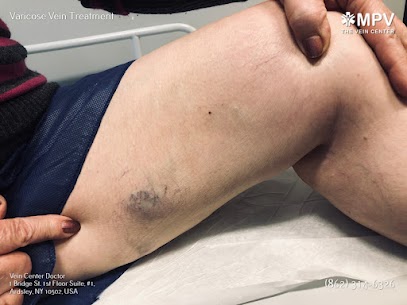
Not every painful leg vein is a candidate for ablation. A subset of patients have neuropathy, musculoskeletal pain, or restless legs unrelated to venous disease. A careful vein consultation clinic will tell you when your symptoms do not fit and advise other pathways. I recall a patient with night cramps, treated elsewhere with sclerotherapy that did nothing. Her duplex showed no reflux. Magnesium and a change in statin therapy helped within weeks. A vein treatment specialists group that can say no earns trust.
Another example: a runner with visible veins that appear after long miles. Their duplex mapping may show competent valves and no reflux. Cosmetic sclerotherapy is fine if requested, yet counseling on training surfaces, hydration, and calf strengthening sometimes satisfies the concern without procedures.
Finally, pregnancy-related varicosities often improve within months after delivery. A thoughtful vein medicine clinic will recommend staging treatment well after the postpartum period unless ulcers or severe symptoms force earlier action. Patience here prevents unnecessary procedures.
How the visit typically unfolds
Your first appointment combines a medical interview with targeted imaging. Wear clothing that allows access to the thigh and calf. If the practice is a venous care clinic with on-site imaging, you may proceed directly to a standing duplex. Skilled sonographers are worth their weight. The physician reviews the maps, then discusses a sequence of treatments. Many practices start with ablation of a refluxing saphenous segment, then plan phlebectomy or sclerotherapy in follow-up sessions two to six weeks later.
Compression stockings are often prescribed immediately. A non surgical vein clinic focused on minimally invasive care wants you walking the same day. I typically advise patients to schedule procedures on days when they can walk after, even if just around the block. Movement reduces the risk of clot extension and eases soreness.
You should receive written instructions and a phone number answered by clinical staff, not just a call center. Good follow-up includes a post-procedure ultrasound within a week for ablation and a check-in visit after sclerotherapy to plan next steps.
What the titles don’t tell you, but experience does
The difference between a good result and a great result often hides in the small habits of the team. Does the vein care specialists clinic photograph your legs under consistent lighting for before-and-after comparison? Do they use standardized symptom scores? Is the ultrasound lab accredited? These are the quiet indicators of a high-quality vein health center.
Turnover of staff can be another clue. A stable team of vein health specialists learns your anatomy and preferences across visits. I have watched the same nurse fit compression stockings for hundreds of patients. The right size and model change compliance from 30 percent to nearly 100 percent. This is not trivial. Consistent wear during the active treatment phase can lower bruising and speed recovery.
Common myths that muddy the choice
I hear a few claims that deserve correction.
Laser is better than radiofrequency. Both are excellent when used properly. Recent generations have closed the gap in comfort and outcomes. Your anatomy and the operator’s experience matter more than the brand on the box.
Sclerotherapy is only for spider veins. Foam sclerotherapy is an effective option for tributaries and even axial veins in selected cases. It is not a second-tier treatment, but it does require skill and careful patient selection.
Surgeons always push surgery. Modern vascular surgeons perform more catheter-based therapies than open surgeries for superficial venous disease. Phlebectomy involves small punctures, not large incisions, and pairs well with ablation. A surgical title does not mean you will be steered to the operating room.
Vein disease is purely cosmetic. Venous insufficiency sits on a spectrum. Early spider veins can be cosmetic. Advanced varicose veins cause pain, swelling, skin changes, and ulcers that impair life and work. A professional vein clinic treats symptoms and disease burden, not just appearance.
When to consider hospital-based or hybrid care
Most patients do well in an outpatient vein clinic. Some need the resources of a hospital or an ambulatory center equipped for advanced imaging and anesthesia. If you have a clotting disorder, prior deep vein thrombosis with residual obstruction, severe obesity, or significant cardiopulmonary disease, ask whether your case belongs in a facility with immediate access to enhanced monitoring. A vascular vein center linked to a hospital can coordinate this setting efficiently.
Patients with pelvic congestion, May-Thurner syndrome, or post-thrombotic syndrome often need venography and intravascular ultrasound to diagnose proximal obstruction. These procedures are beyond the scope of many office-based clinics. A vein intervention clinic embedded in a larger vascular network can move you seamlessly between environments.
A short, practical checklist for choosing your clinic
- Confirm the primary specialty and board certification of the physician who will perform your procedures, and ask how many venous ablations or sclerotherapy sessions they perform each month. Ask whether the clinic provides duplex ultrasound mapping on site and whether their lab is accredited or their technologists are credentialed. Review the full menu of treatments offered, including thermal and non-thermal ablation, ultrasound-guided foam sclerotherapy, and ambulatory phlebectomy, and ask how they decide among them. Discuss insurance pre-authorization, documentation of medical necessity, and expected out-of-pocket costs before your first procedure. Clarify follow-up: timing of post-procedure ultrasound, signs that should prompt a call, and how to reach a clinician after hours.
Titles decoded, decisions simplified
A vascular vein center generally indicates a broader vascular practice that treats arteries and veins and can manage complex venous disease and its cousins. A vein specialist center signals a focused venous practice that optimizes streamlined outpatient care. Both can be an excellent vein treatment clinic for the right patient.
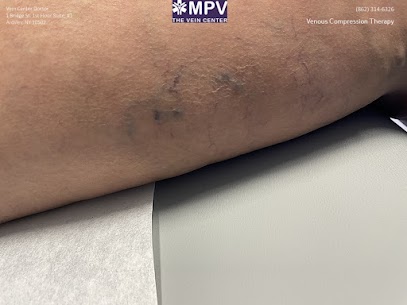
If your needs are cosmetic and straightforward, a modern vein clinic or vein specialist clinic may serve you best with focused attention and flexible scheduling. If your case is complex or you have risk factors for arterial disease or deep venous obstruction, a vein and vascular clinic or vascular vein center may prevent detours. Regardless of the title, prioritize experience, ultrasound quality, and a plan that matches your anatomy and goals.
I have watched patients thrive when the clinic does two things well: treat the refluxing vein that drives the problem, and follow through with meticulous aftercare. If a practice calls itself a comprehensive vein clinic or advanced vein clinic and backs that promise with careful mapping, a complete set of tools, and honest counseling, you are likely in good hands.
Finally, remember that long-term vein health is a partnership. Even the best ablation cannot replace daily walking, calf strengthening, and reasonable use of compression when symptoms flare. Choose a clinic that teaches as well as treats. Whether you start in a vein laser clinic for spider veins or a venous treatment center for more advanced disease, the right relationship will keep you moving, sleeping better, and feeling more at ease in your own legs.